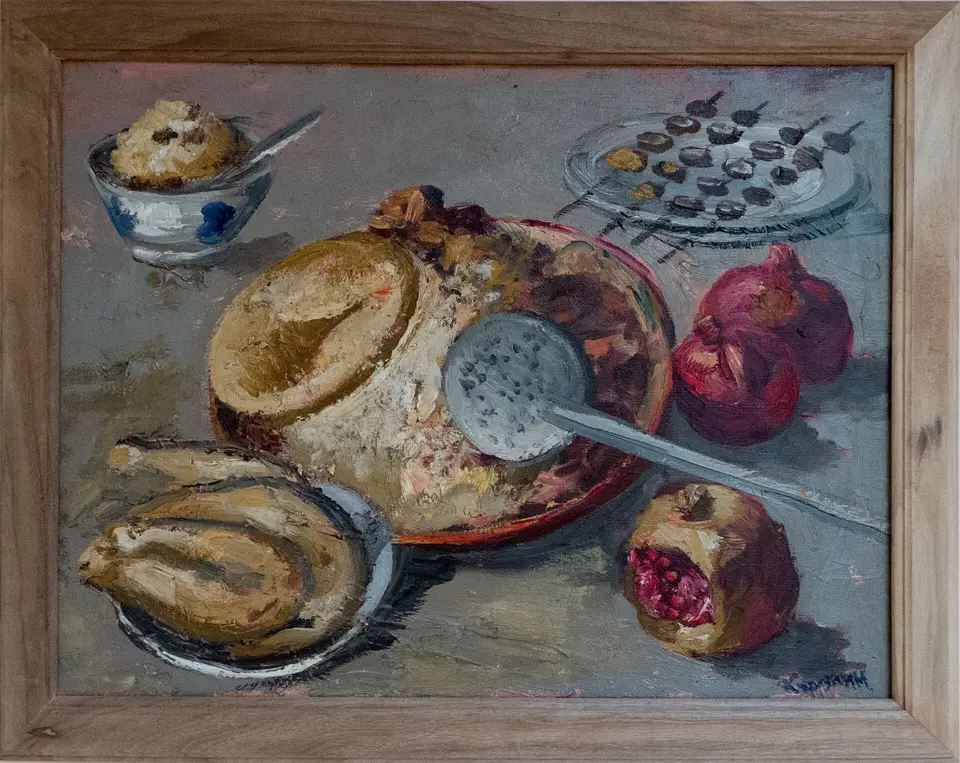
In Nukus, far from any other major art museum, stands one of the most remarkable collections in Central Asia. It is often called the "Louvre of the Desert".
Igor Savitsky
Igor Savitsky was an artist and collector who came to Karakalpakstan in the 1950s with an archaeological expedition and stayed. He began collecting the region's folk art — jewellery, textiles, costumes — and then turned to painting.
Saving forbidden art
From the 1960s Savitsky gathered works by artists of the Russian and Uzbek avant-garde whose styles did not fit the officially approved art of the time. Many of these painters had been forgotten, silenced or persecuted. He bought works from artists' families, often saving paintings that might otherwise have been lost. Because Nukus was so remote, the collection could grow quietly.
What you will see
- Paintings of the Russian avant-garde and the "Turkestan" school — artists who painted Central Asia in bold, modern styles.
- Karakalpak applied art — jewellery, embroidered costumes, carpets and household objects.
- Archaeological finds from the ancient Khorezm region.
Only part of the collection can be shown at any one time, and exhibitions change.
Visiting tips
- Allow at least two to three hours — many visitors wish they had more.
- Check opening days and photography rules before you go; your guide confirms them.
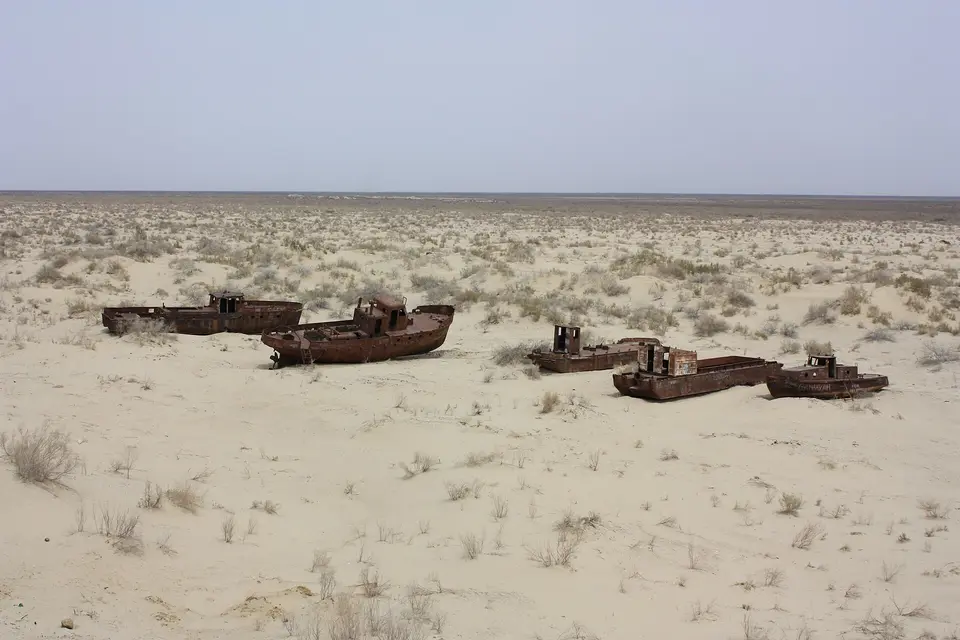
- Nukus is easy to combine with Khiva (by road) and with a day trip to Moynaq and the Aral Sea.
With a guide
A guide who knows the collection brings the paintings to life — the artists' stories are often as striking as their work. See our Savitsky Museum private tour.