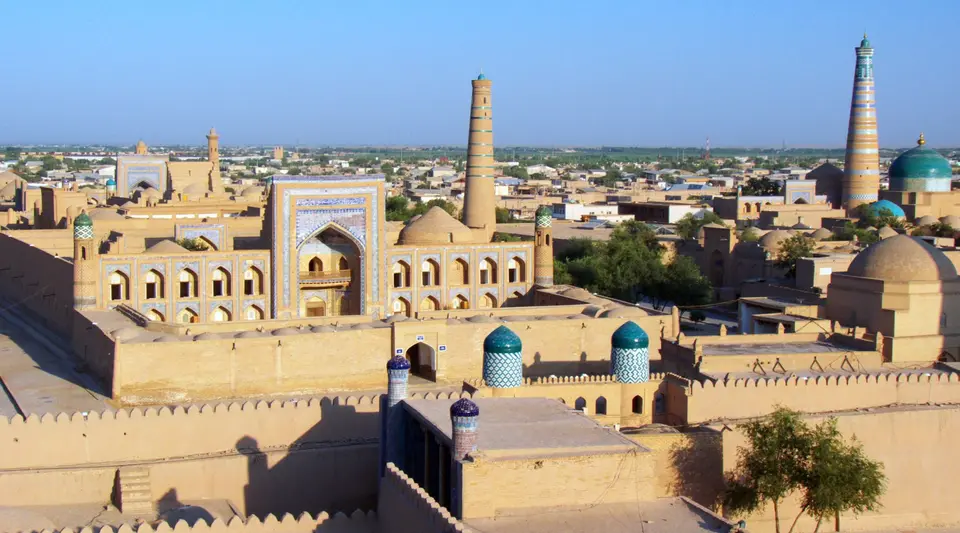
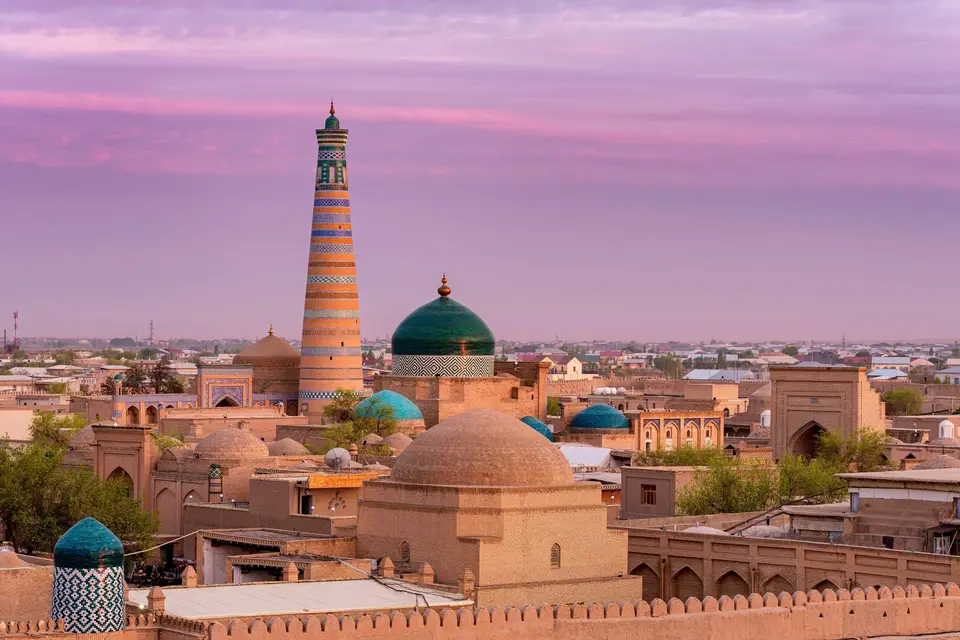
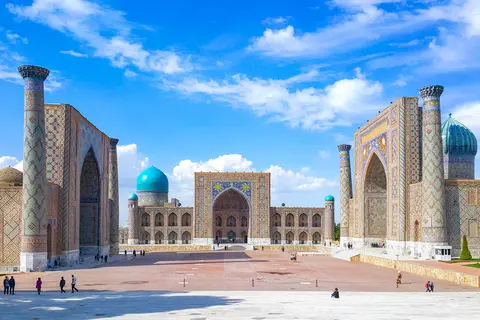
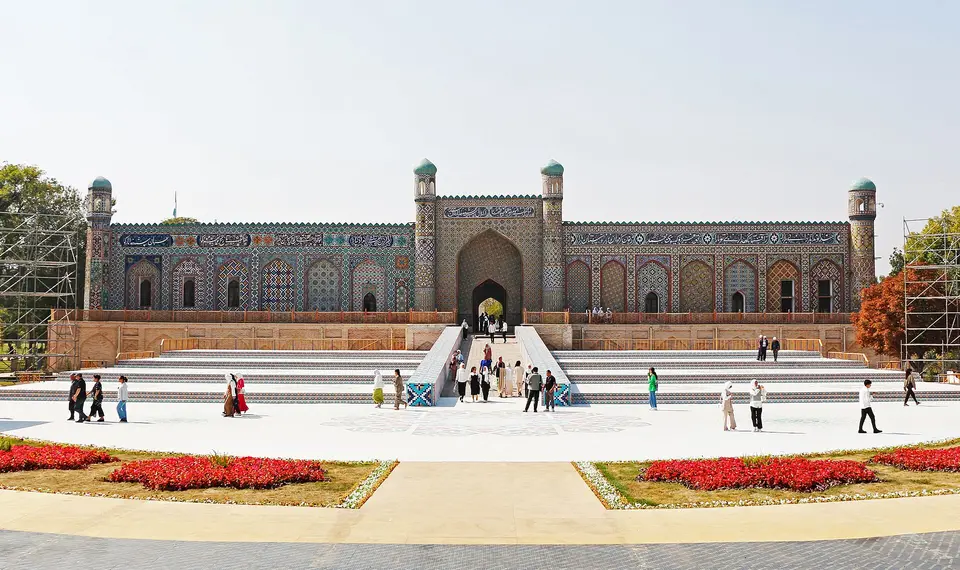
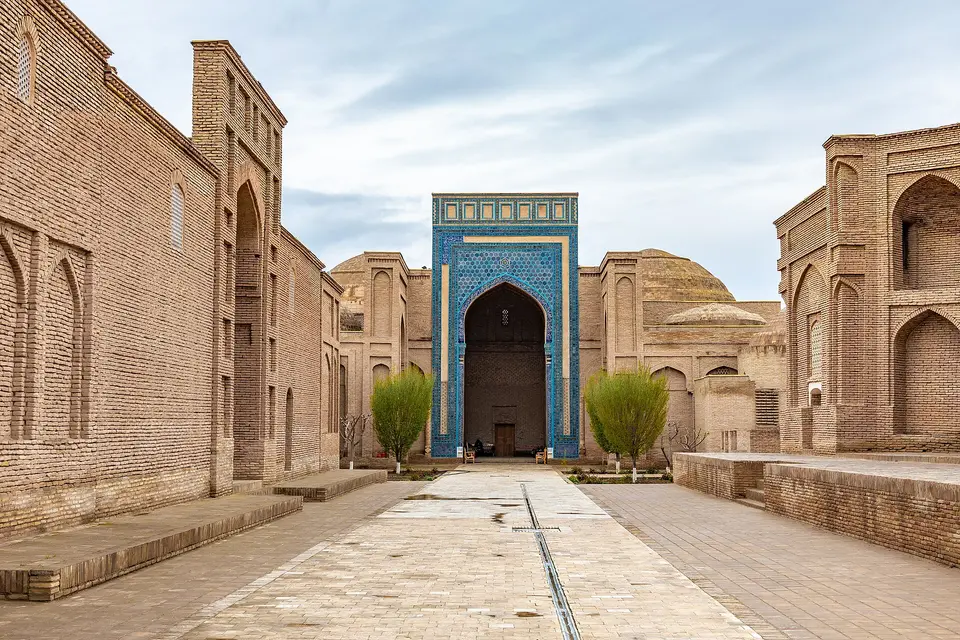
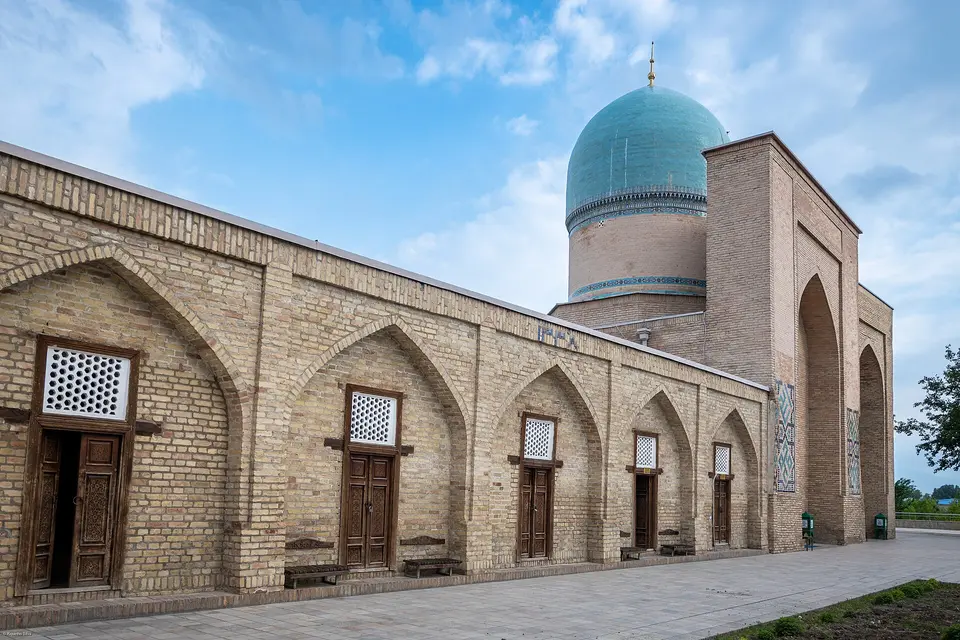
Khiva is where we live, so it is the city we know best. Its walled inner town, Itchan Kala, packs madrasas, palaces, minarets and a wooden-columned mosque into an area you can cross on foot in a quarter of an hour. That density is exactly why a guide matters here: almost every doorway has a story, and without context the monuments start to blur into one another.
- Best for
- Architecture
- Time needed
- 1 full day
- Getting around
- On foot inside the walls
- UNESCO
- Itchan Kala
Why Khiva rewards a private guide
Itchan Kala is a living neighbourhood as much as a museum: families still live behind the carved doors, and craftsmen work in the old madrasa cells. A private guide sets the pace around you — early starts for empty streets and soft light, long stops where your interests lie, and a lunch break when you actually want one.
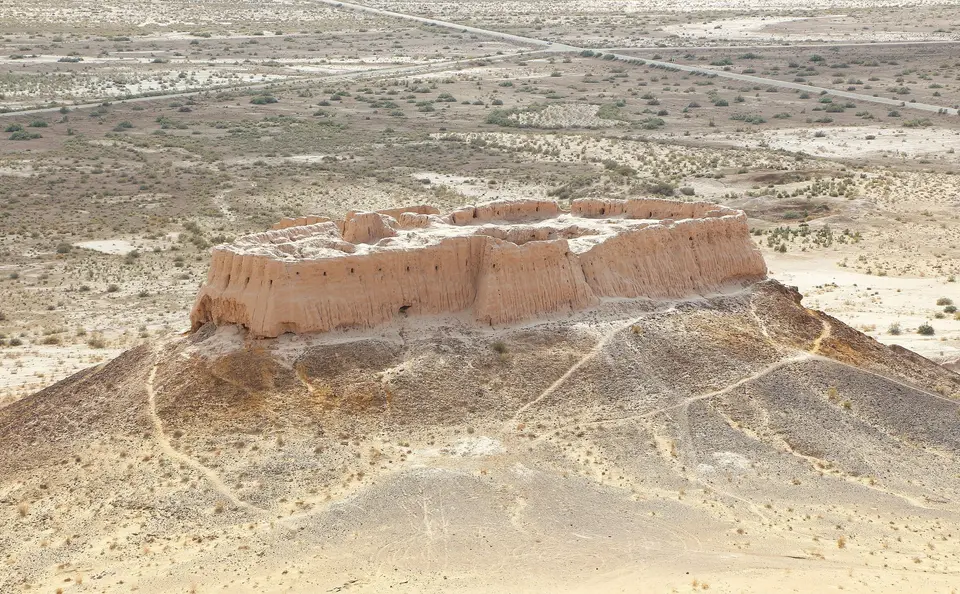
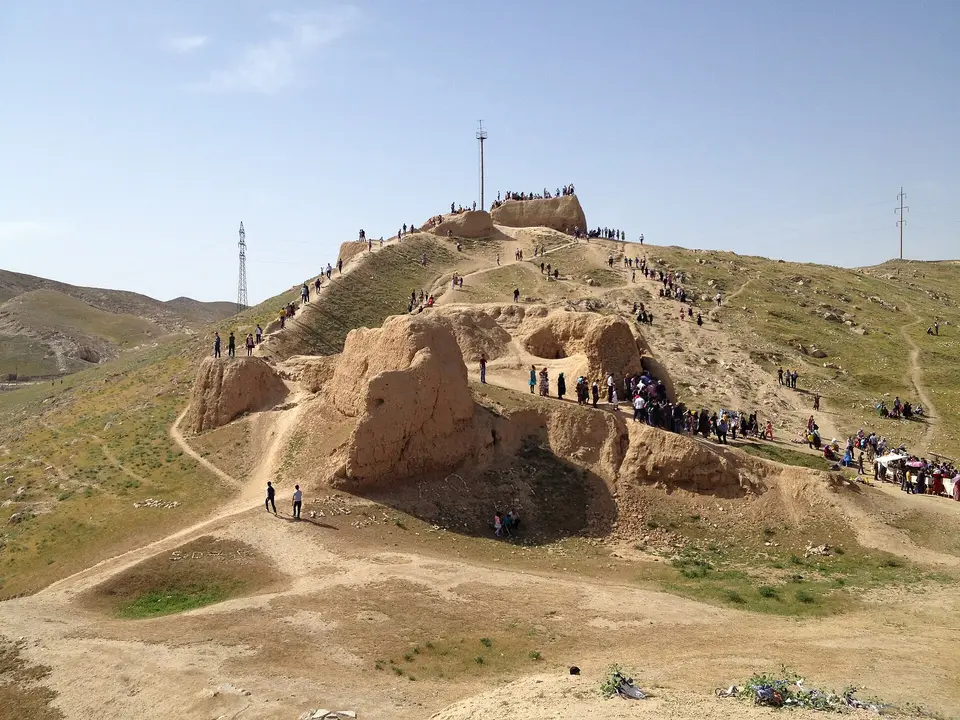
Most of what you see dates from the 18th and 19th centuries, when Khiva was the capital of a khanate, but the site is far older and sits on the edge of ancient Khorezm, one of Central Asia's earliest civilisations. A good guide connects the two: the khans' palaces inside the walls and the 2,000-year-old desert fortresses an hour or two away.
What we show you in Itchan Kala
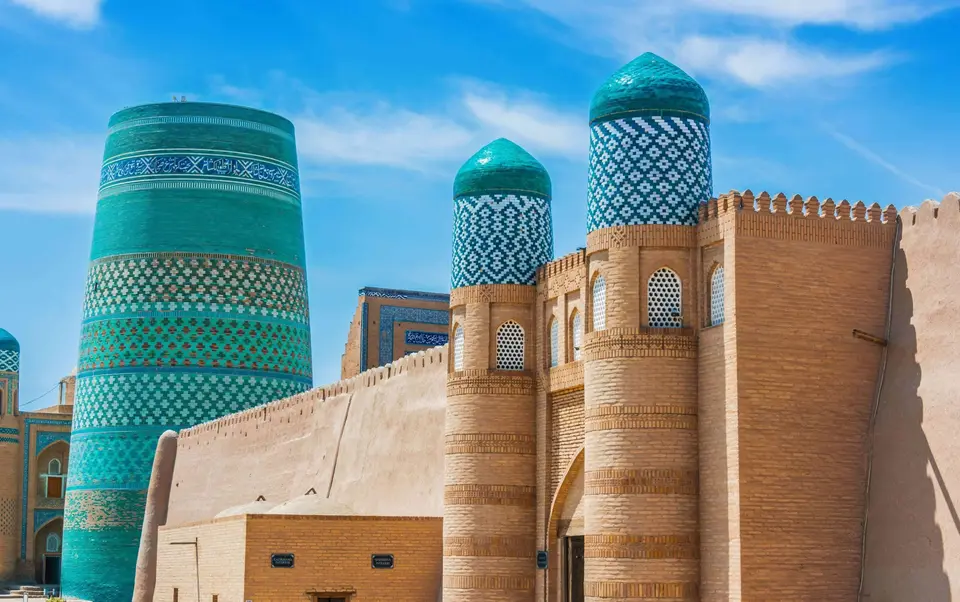
- Kalta Minor — the stout, turquoise-tiled minaret begun in the 1850s and never finished; the most photographed tower in town.
- Kunya Ark — the old citadel of the khans, with a throne courtyard and a watchtower view over the rooftops.
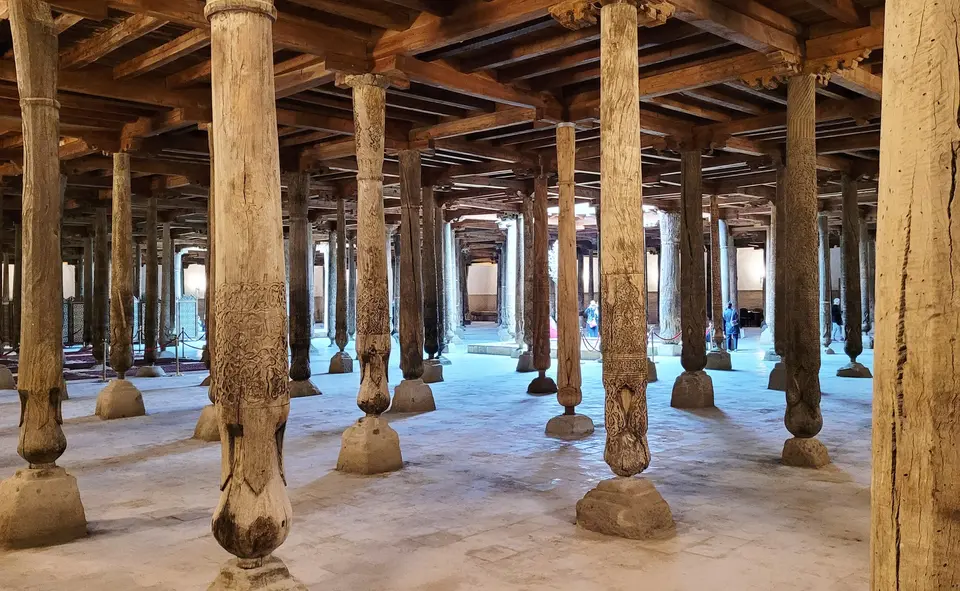
- Juma Mosque — a hall of more than 200 carved wooden columns, some far older than the building itself.
- Tash Hauli — the 19th-century palace of Allakuli Khan, with some of the finest tilework and carved wood in Khiva.
- Pakhlavan Mahmud mausoleum — the shrine of Khiva's patron saint, a poet and wrestler, still visited by pilgrims.
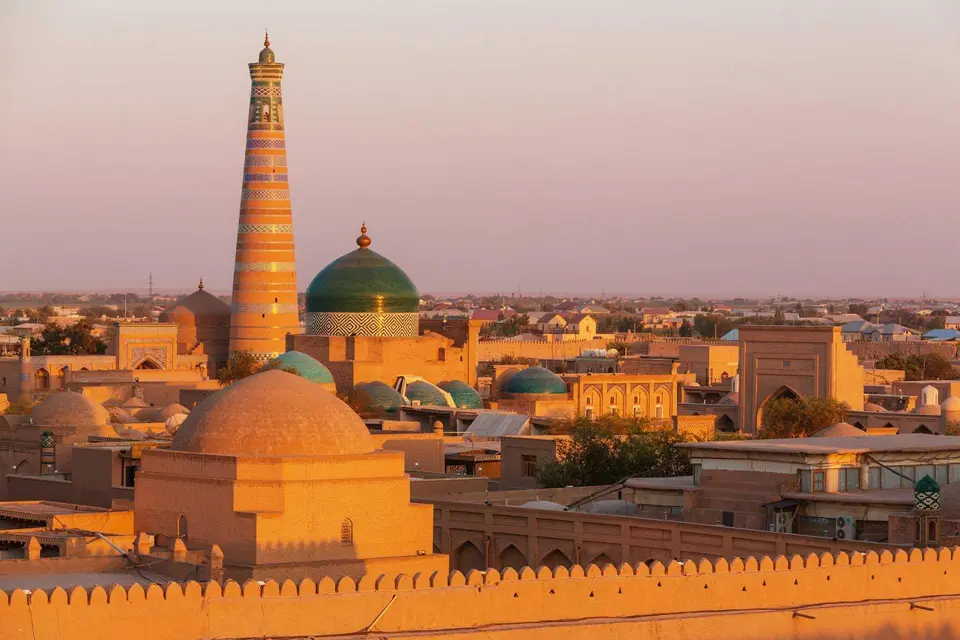
- Islam Khoja minaret and madrasa — the tallest minaret in Khiva, finished in the early 20th century.
- The city walls — a walk along the western ramparts at the end of the day is one of the best moments in Uzbekistan.
How long to spend in Khiva
A half day covers the essential monuments at a comfortable pace. A full day lets you go inside the palaces and museums, watch craftspeople at work and finish on the walls at sunset. With two days you can add a trip to the Khorezm desert fortresses, or spend a slower morning in Dishan Kala, the outer town where most people in Khiva actually live.