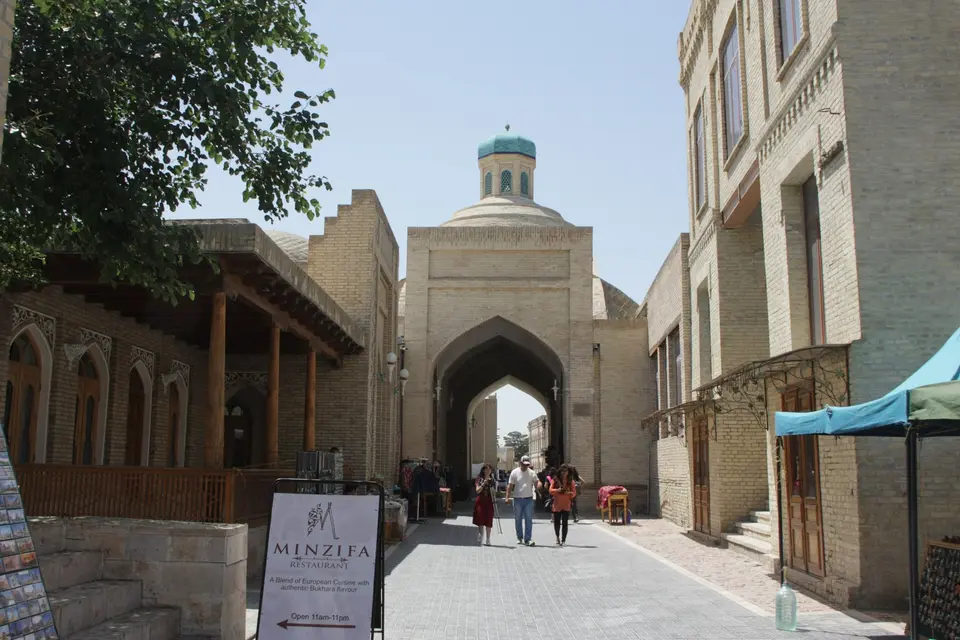
Shopping in Uzbekistan is less about malls and more about workshops, bazaars and trading domes — and many items are made by the person selling them. Here is what our guides suggest looking for.
Suzani embroidery
Large hand-embroidered textiles with flowers and medallions, traditionally made for a bride's dowry. You will find them in Bukhara, Samarkand and Tashkent. Hand-stitched pieces take months; machine-made ones are much cheaper — ask, and look at the back of the cloth.
Ikat silk and cotton
The bright, blurred patterns of atlas (silk) and adras (silk and cotton) come from the Fergana Valley, especially Margilan, where you can watch the whole process in a workshop.
Ceramics
Rishtan in the Fergana Valley is known for its blue-and-turquoise glazes; Gijduvan near Bukhara for warm yellows, greens and browns. Plates and bowls travel well if wrapped carefully.
Knives and metalwork
Knives with decorated handles are made in several places, and you can watch smiths at work in Bukhara. Pack them in checked luggage, never in your cabin bag.
Carpets
Khiva and Bukhara have carpet workshops where you can see weaving on the loom. Older carpets and antiques may need an export certificate — ask the seller to arrange the papers before you pay.
Paper, miniatures and woodcarving
Handmade mulberry paper from Konigil near Samarkand, miniature paintings in Bukhara and carved wooden boxes and stands (lauh) in Khiva are light and easy to carry home.
From the bazaar
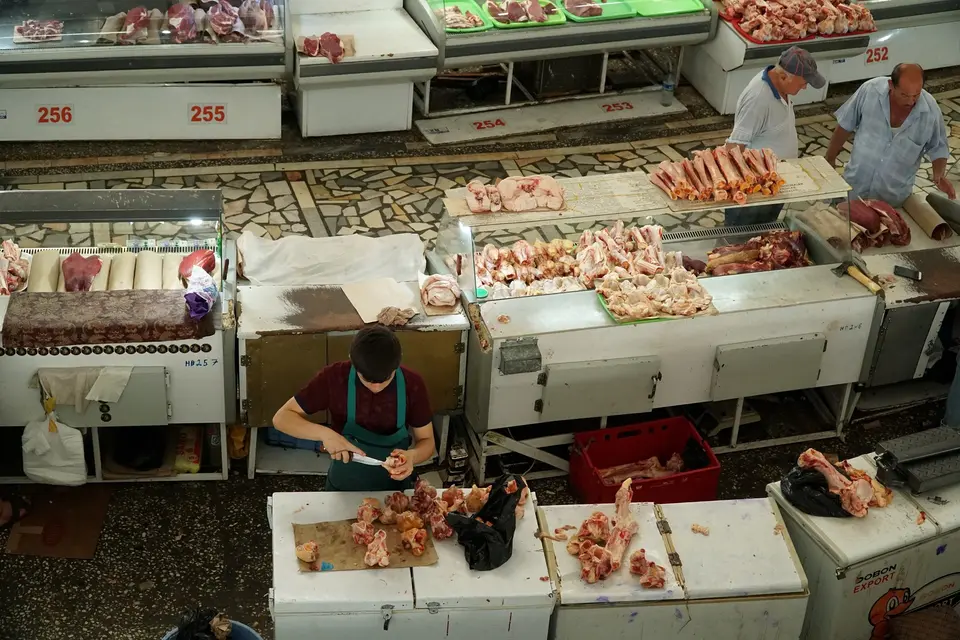
Spices, dried fruit, nuts, green tea and traditional sweets make simple gifts. Chorsu in Tashkent and Siab in Samarkand are good places to buy them.
How to shop well
- Bargaining is normal in bazaars and domes; be friendly and fair.
- Carry cash in Uzbek som; not every stall takes cards.
- Buying directly in workshops supports the craftspeople.
- Ask your guide to show you genuine workshops where you can watch the craft being made.